



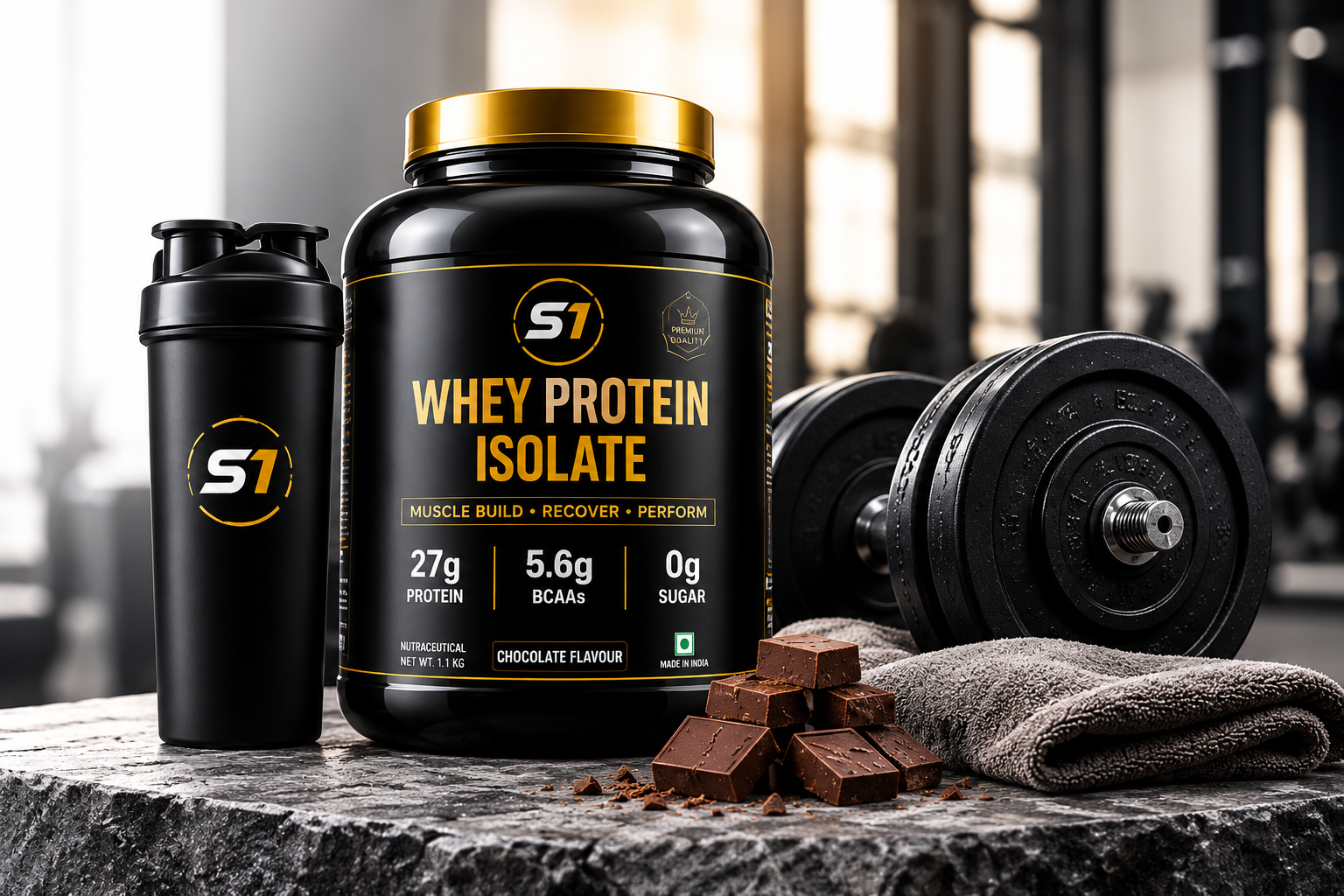
Excerpt: Compare whey and plant protein, understand their benefits, and discover which protein source may better suit your fitness goals and lifestyle.
Protein plays an important role in muscle growth, recovery, and overall nutrition. With so many protein supplements available, one common question is whether to choose whey protein or plant protein.
Both can help increase your daily protein intake, but they differ in their sources, amino acid profiles, digestion, and suitability for different lifestyles. Understanding these differences can help you make a more informed choice.
What Is Whey Protein?
Whey protein is derived from milk and is produced during the cheese-making process. It contains all nine essential amino acids, making it a complete protein source.
Because whey is generally digested relatively quickly, it is commonly used around workouts by people looking to support their protein intake and muscle recovery.
Key Benefits of Whey Protein
- Complete protein containing all nine essential amino acids
- Convenient way to increase daily protein intake
- Naturally rich in branched-chain amino acids (BCAAs)
- Commonly used to support muscle growth and recovery
- Easy to mix into shakes, smoothies, oats, and other foods
What Is Plant Protein?
Plant protein supplements are made from sources such as peas, brown rice, soy, hemp, and seeds. Some products use a blend of multiple plant sources to provide a broader amino acid profile.
Plant-based protein can be particularly useful for people following vegan or vegetarian diets or those who prefer to avoid dairy.
Key Benefits of Plant Protein
- Made from plant-based protein sources
- Suitable for vegan and many vegetarian diets
- Dairy-free options are widely available
- Can provide additional nutrients depending on the source
- Blended formulas can offer a more balanced amino acid profile
Whey Protein vs. Plant Protein: Quick Comparison
| Feature | Whey Protein | Plant Protein |
|---|---|---|
| Source | Milk | Peas, rice, soy, hemp, seeds, etc. |
| Complete Protein | Yes | Depends on the source or blend |
| Dairy-Free | No | Generally yes |
| Vegan-Friendly | No | Yes |
| Digestion | Generally fast | Varies by source |
| Best Suited For | People comfortable with dairy | Vegan, dairy-free and plant-based lifestyles |
Which Protein Is Better for Muscle Building?
Muscle growth depends on more than the type of protein powder you choose. Your total daily protein intake, resistance training, calorie intake, recovery, and consistency all matter.
Whey is popular because it provides a complete amino acid profile and is naturally rich in leucine. However, a well-formulated plant protein blend can also contribute effectively to daily protein intake.
The most useful option is one that fits your nutritional requirements and that you can consume consistently.
Which One Is Easier to Digest?
This varies from person to person.
Some people tolerate whey protein very well, while others may experience digestive discomfort with certain dairy-based products. Plant proteins can be a useful alternative, although their texture and digestibility also vary depending on the ingredients.
Checking the ingredient list and serving size can help you find a product that works comfortably with your diet.
When Should You Take Protein?
Protein powder can be consumed at any convenient time that helps you meet your daily protein requirements. Common options include:
- After a workout
- With breakfast
- Between meals
- Added to smoothies or oats
- As part of a balanced snack
Rather than focusing only on a narrow post-workout window, aim for adequate protein throughout the day.
How to Choose the Right Protein for You
Consider your individual goals and dietary preferences before choosing a protein supplement.
Choose whey protein if: you consume dairy, want a complete and convenient protein source, and prefer a widely used option for supporting your fitness nutrition.
Choose plant protein if: you follow a vegan or plant-based diet, avoid dairy, or simply prefer protein derived from plant sources.
“The right protein is the one that fits your nutrition, lifestyle, and fitness routine consistently.”
Can You Use Both Whey and Plant Protein?
Yes. Your protein intake does not necessarily need to come exclusively from one source.
Someone may use whey after training while getting additional protein from plant foods throughout the day. A varied diet can provide protein from dairy, legumes, grains, nuts, seeds, eggs, meat, or other foods depending on individual dietary preferences.
Conclusion
Both whey protein and plant protein can be practical ways to supplement your daily protein intake.
Whey provides a complete, dairy-based protein source, while plant proteins provide an alternative for vegan, dairy-free, and plant-focused diets. Instead of looking for one universal winner, consider your diet, digestion, nutritional requirements, training goals, and personal preferences.
At S1 Nutrition, our focus is on helping you make informed nutrition choices that support a stronger, healthier lifestyle.
Suggested Tags: Whey Protein, Plant Protein, Protein Supplements, Sports Nutrition, Fitness Nutrition, Muscle Recovery, Healthy Lifestyle